AI moved the bottleneck from implementation to specification.
This playbook covers what that changes — for the people who hire engineers, for the engineers themselves, and for the leaders restructuring teams around it. Pick your side of the table.
For Hiring Teams
CTOs, VPs of Engineering, HR directors, recruiters
What to test in software engineering interviews now that AI writes the code. Interview guides, question banks, scorecards, and the reasoning behind them.
For Engineers
Individual contributors and senior engineers
The agentic development lifecycle from the practitioner's side: which skills are rising, which are quietly atrophying, and how to develop the ones that matter.
For Leaders
Engineering managers, directors, VPs
Org design, team restructuring, and leadership when the bottleneck moves from implementation to specification. What amplification means in practice.
Architecture
CTOs, principal engineers, system designers
The systems that make agentic development safe: enabling architecture, approval gates, idempotent tooling, and why reliability is an infrastructure problem.
The Research
Everyone
The data behind the framework: skill maps, published findings, and what actually changed between the pre-AI interview and today's.
Use the Playbook with your AI →
Prompt packs that turn this methodology into a working assistant: interview practice drills for engineers, and a question-set + scorecard designer for hiring teams — adapted to your stack and your company.
Latest
- What's Missing From This Requirement?Professional programmers find 7.8 of the 14 test cases a two-line program needs. The same blindness applies to every ticket you hand an agent. A sixty-second drill on a one-line requirement.
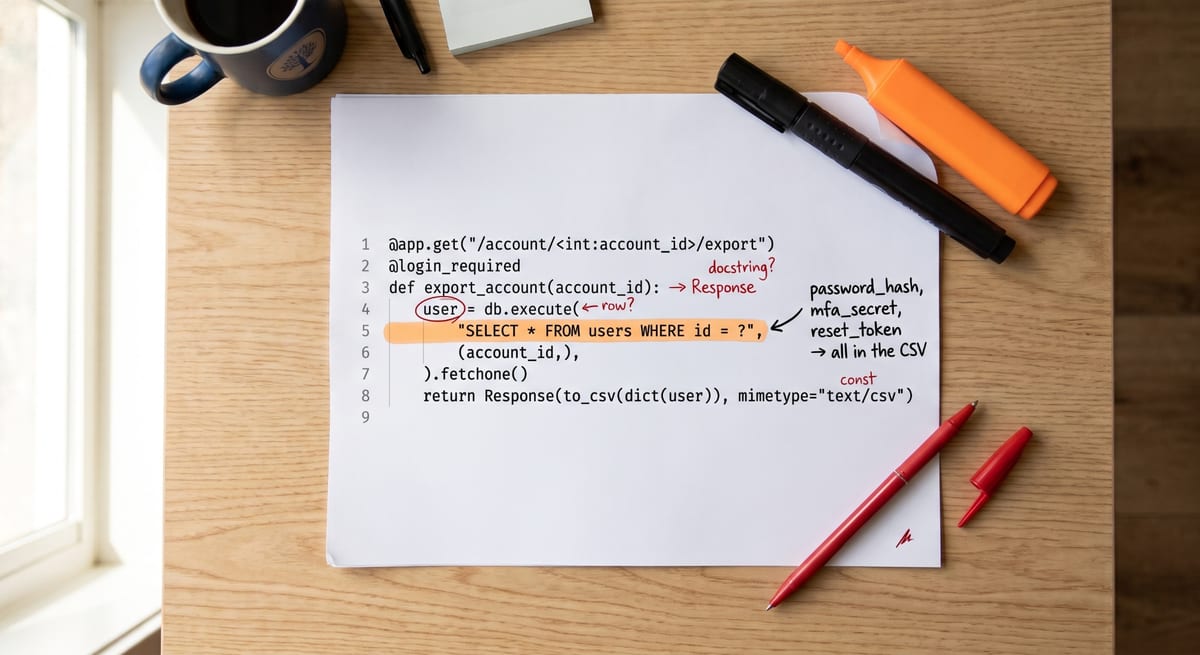 How to Write a Spec an Agent Can Actually ExecuteOne line of ticket, pasted into an agent, produced an export that leaked credentials, exposed other accounts and paged the on-call engineer. What the specification should have said, category by category.
- The Prompt That Reveals EverythingTwo developers, one ticket, two prompts. Both produced working code and only one produced correct code. The prompt is not a skill you learn; it is a transcript of thinking that already happened.
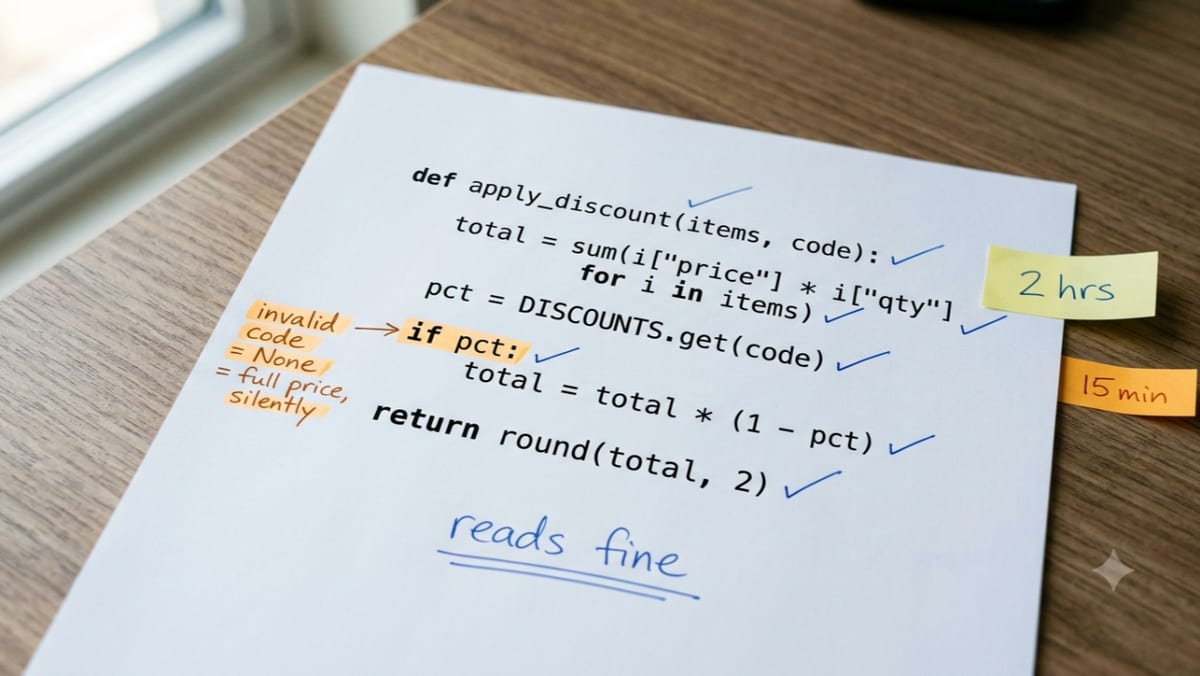 Why Writing Code Taught You the Wrong Way to ThinkWriting code trained you to verify incrementally and trust progress. Agentic work hands you a finished artifact and asks you to distrust it. Those are opposite reflexes, and experience makes the wrong one stronger.
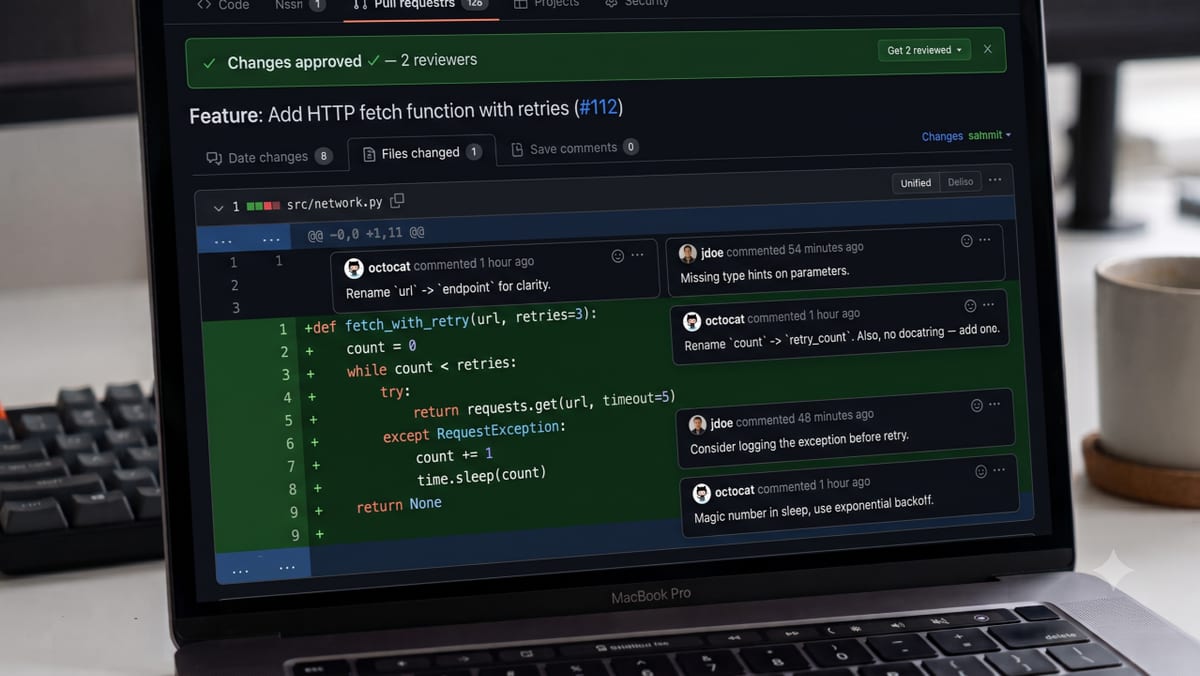 Before the Agent RunsWhen an agent does the implementation, the understand-while-building loop breaks. The cognitive work has to happen before the agent runs — and most developers are not naturally good at that.